
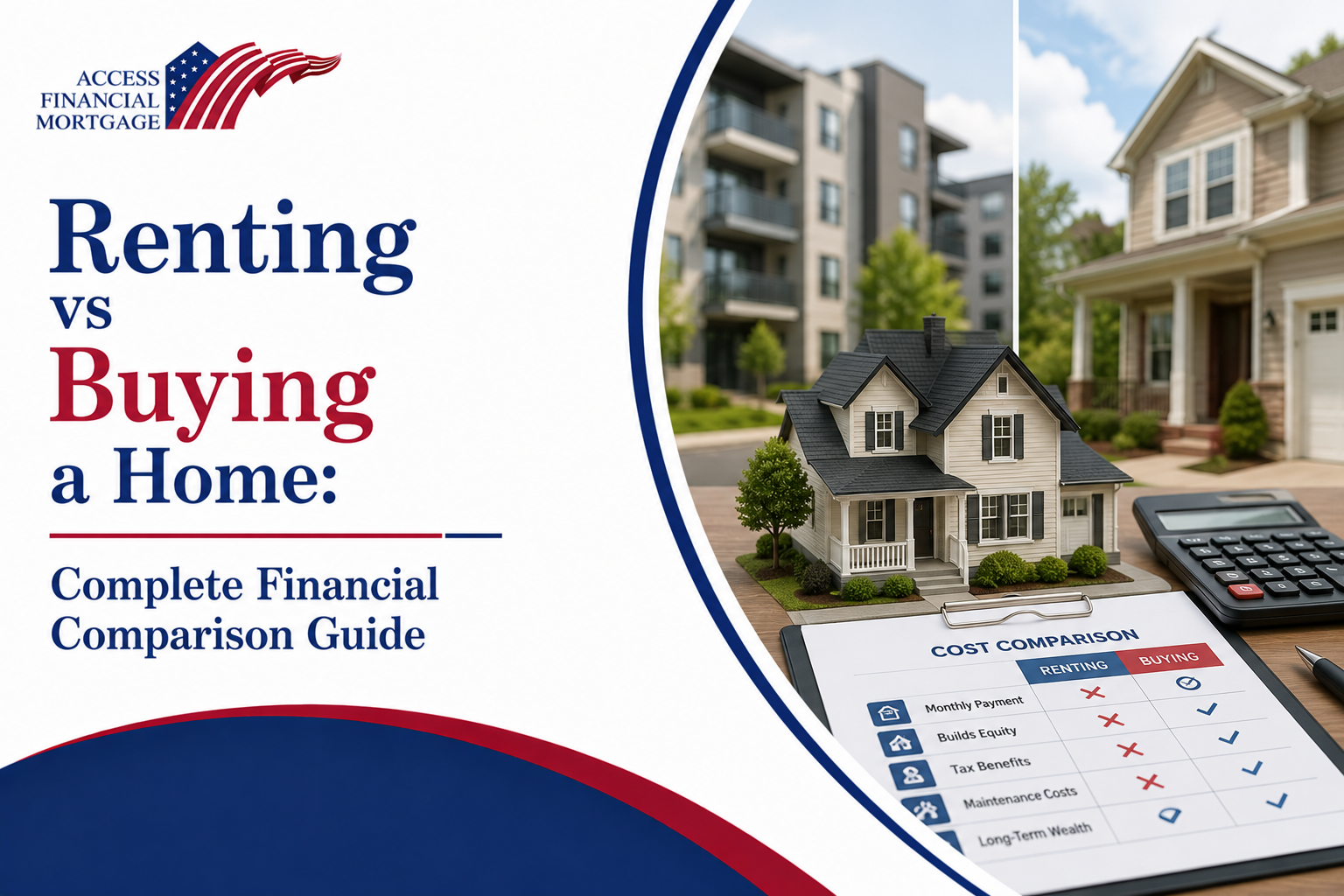
Housing takes the biggest part of your monthly paycheck. Many people wonder about renting vs buying a home today. Some people prefer flexibility over ownership. Others want to own land and build long-term wealth. Rent payments disappear into your landlord’s bank account forever. House payments buy a real asset over time.
However, homeownership brings hidden bills like sudden repairs. Buying a house requires big cash up front. Renting lets you leave easily when your lease ends. You must look at your budget before deciding. Your job security shapes your choice too. Here is a clear look at both living paths.
Upfront Costs and Initial Investment
Getting into a house takes cash regardless of your choice. Lenders and landlords inspect your credit before signing papers.
- Down Payment Needs: High down payment requirements mean buyers save cash for years. Most lenders ask for three to twenty percent down. This lump sum locks your cash inside the house.
- Security Deposit: Renters pay a deposit and first month’s rent. This cost is lower than buying fees. You get this money back if no damage occurs.
- Closing Charges: Home buyers pay loan fees on closing day. These fees add two to five percent extra. Settlement agents collect these fees at closing meetings.
- Application Fees: Landlords charge background search fees to check applicants. Banks charge credit screening fees during loan checks.
- Initial Upgrades: Buyers buy paint and tools right after moving. Renters accept the apartment layout as it sits.
Long-Term Financial Growth and Wealth
Owning property changes how your net worth grows each year. Your housing choice shapes your financial future directly.
Building Property Wealth
House payments act like forced savings accounts each month. Buying a house creates home equity over time. Your debt balance drops as you pay your mortgage. Property values also rise in growing towns.
Rent Payments and Expense
Rent money leaves your pocket and never returns to you. Making monthly rent payments keeps a roof overhead. But rent payments do not create personal wealth. Landlords build their own wealth using your monthly checks.
Tax Advantages for Owners
Homeowners deduct mortgage interest payments on tax forms. Local property tax payments offer tax relief too. Renters receive zero federal tax write-offs for rent. These tax rules lower yearly costs for property owners.
Recurring Monthly Expenses and Hidden Bills
Monthly living costs extend beyond simple mortgage or lease checks. Understanding all recurring bills protects your monthly budget.
- Tax and Insurance: Owners cover property taxes and insurance every single year. Tax rates change based on local city needs. These bills usually go into escrow accounts monthly.
- Repair Bills: High home maintenance costs fall on property owners alone. Broken roofs and leaking pipes require immediate cash.
- Rent Updates: Landlords raise rent prices when leases expire. Renters face higher costs during high-demand years. Fixed mortgages stay stable for thirty full years.
- Utility Payments: Renters often get water or trash included free. Homeowners pay every utility bill on their own. Big houses cost more to heat and cool.
- Association Fees: Condos charge monthly fees for shared spaces. These extra fees increase your basic living costs.
Lifestyle Freedom, Flexibility, and Control
Where you live impacts your daily routines and family plans. Personal preferences matter just as much as money.
Moving Freedom for Renters
Renting allows you to pack up and move quickly. You can change cities when job offers pop up. Selling a home takes months of hard work.
Home Customization Choices
Homeowners paint walls and remodel kitchens freely. You can build decks or add extra bedrooms easily. Landlords ban major property changes in rental units.
Community and Stability
Owning a house creates deep roots in a neighborhood. Your children stay in the same school district longer. Renters face relocation if landlords sell the property.
Market Cycles and Local Real Estate Trends
Housing markets shift based on local employment and interest rates. Studying local trends helps you pick the right moment.
Knowing local real estate market trends is smart. High mortgage interest rates make buying houses expensive. High rates lower your home buying power significantly. Renting saves cash when home prices spike too high. Buying works best when you stay five years minimum. Market downturns hurt short-term home sellers badly. Long-term owners ride out market dips safely over time.
How Access Financial Mortgage Corp. Helps You Choose
At Access Financial Mortgage Corp., we treat each customer as an individual, not a number. We do not place you into a strict banking formula created by the traditional banking industry. We use common sense and help you obtain the best loan possible. We represent A-rated lenders to private hardship lenders. We work with more than 100 investors. This allows us to find great rates on all types of loan programs. Options include 30yr, 20yr, 15yr, and 10yr mortgages. We also offer ARMs, Conventional, Jumbo, Home Equity Lines, VA, and Commercial loans.
If your situation calls for Full Documents, No Documents, or Investor loans, we fit your needs. We guide you when comparing renting vs. buying a home for your budget. Call us at (800) 464-1672 or visit to speak with our team today.
What to Do Next
Compare your current savings against local home prices today. Calculate your full monthly debt before making big choices. Talk with a trusted loan officer to review options. Pick the path that keeps your family financially safe.
Frequently Asked Questions
Is renting money wasted compared to buying?
Rent buys shelter without long-term asset growth. Owning builds wealth but brings maintenance and tax costs.
How do I know if I am ready to buy?
You need steady income, good credit, and cash savings. Having extra cash for repairs protects your monthly budget.
Which option is cheaper when evaluating renting vs buying a home?
Renting is cheaper upfront due to lower initial fees. Buying often costs less long-term as equity grows.
How much cash do I need for a home down payment?
Down payments range from three to twenty percent down. Lower down payments might require monthly mortgage insurance payments.
What happens if property values drop after I buy?
If the market drops, your home equity drops on paper temporarily. Staying in the house long term allows values to recover.